We wait until the second run before we write anything down
A first playthrough tells you how a game introduces itself. It rarely tells you whether the thing is worth your evenings four months later, once the surprise has worn off and the patches have landed. So we play everything twice, leave a gap of at least three months in between, and only then open a document.
Joremalix is five people working out of a shared floor in Norwich. Between us we finish somewhere between fourteen and eighteen games a year — a small number by the standards of most outlets, and deliberately so. Every entry in our log carries two dated passes and a plain verdict: Runs again, Runs once or Left unfinished. Nothing gets a number out of ten, because we have never once agreed on what a seven means.
Each entry below shows what we thought on the first pass and what changed by the second. Full versions, plus three older entries, sit in the log.
ExplorationFirst pass March, second pass July
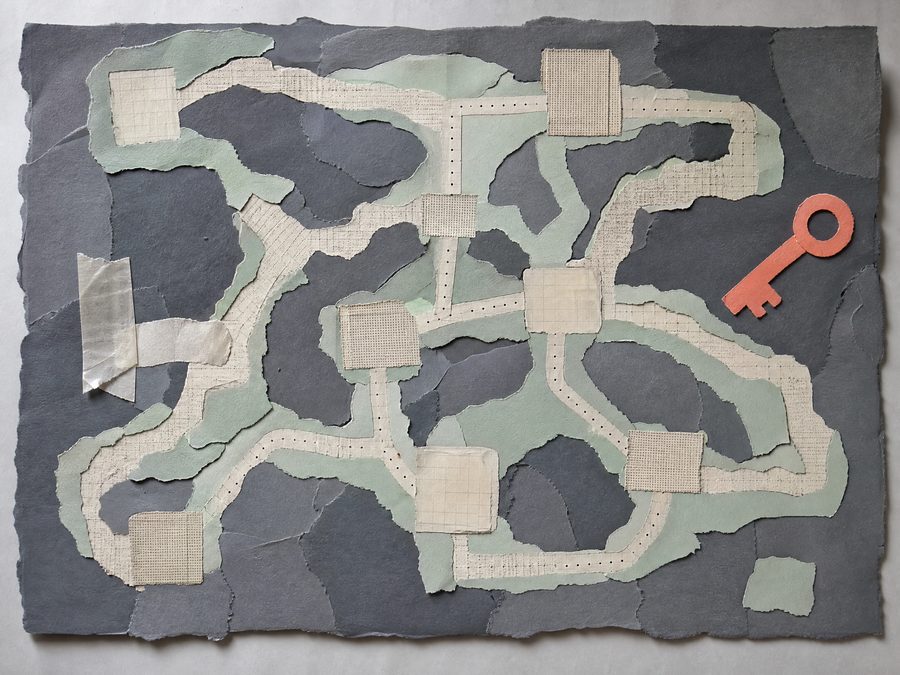
A cave system that rewards a bad memory
First pass
Twenty-two hours, mostly lost. The map fills in beautifully but the early hours withhold so much that two of us nearly stopped at the third locked door.
Second pass
Fourteen hours, and far better for it. Knowing the shape of the place turns the backtracking into a route rather than a chore. A patch in May also fixed the map legend.
What tipped this one over is that the second run was not simply faster, it was a different game — the sort you replay to admire the joinery rather than to see the ending again. Accessibility is patchy: the audio cue for a hidden passage has no visual twin, which one of our readers flagged and we have since chased with the studio.
Runs again
RhythmFirst pass January, second pass May
Sixty tracks, and about nine of them stick
First pass
An immediate delight. The input window is generous, the visual clutter is low, and the difficulty curve is one of the gentlest we have played.
Second pass
The delight thinned. Once you have cleared the tracks you care about, the remaining fifty are structurally identical, and the unlock order does not let you skip ahead.
This is exactly the kind of game our method exists for. On a single playthrough it looks like a straightforward recommendation. Come back in the spring and the shortage of genuinely distinct charts becomes hard to ignore. Worth your time, but not worth your year.
Runs once
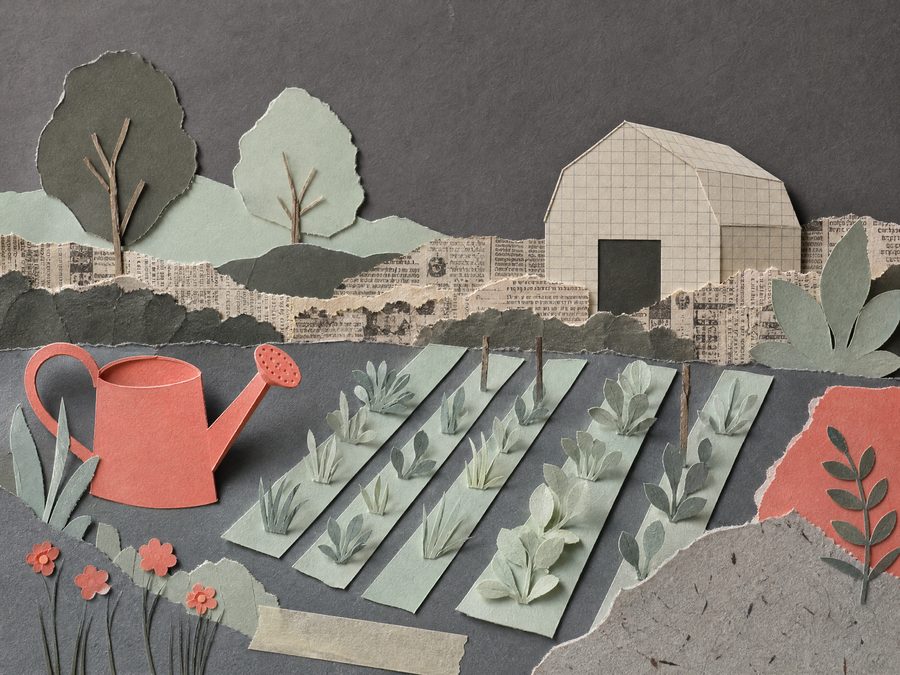
SmallholdingFirst pass February, second pass June
Where the seasons carry the story instead of the dialogue
First pass
Slow to open up. The first in-game year is largely admin, and the tutorial buries the two mechanics that later carry everything.
Second pass
Much stronger. Skipping the guided opening and planting on instinct produced the best forty hours any of us logged this season.
The lesson we took from the gap is that this game is badly served by its own introduction. If you have bounced off it before, the second attempt is a genuinely different experience, which is a strange thing to have to write in a recommendation but there it is.
Runs again
Corridor shooterFirst pass December, second pass April
The set pieces hold; the twelve hours between them do not
First pass
Loud, confident, and paced well enough that the repetition passes unnoticed. Two of us finished it in a single weekend.
Second pass
Abandoned at the two-thirds mark by three of the five of us. Without the novelty of the opening, the middle act is a long grey walk.
We debated this one for a fortnight. A game that is genuinely enjoyable once and unbearable twice is not a failure, but our verdict scale forces the question of whether it earns a place in a limited amount of free time. This time the answer was no.
Left unfinished
“If we cannot face playing it a second time, that is the most useful sentence we can write about it.”
Marged Ellis, founding editor
The method, briefly
Three months apart, both passes timed
Every entry follows the same route, and we publish the timings so you can judge whether we gave a game a fair hearing. The long version, including the machines we test on and what we do about accessibility, sits on the yardstick page.
First pass, at release. Played to the credits or to a natural stopping point, on default settings, with a running note file. Nothing published.
The gap. A minimum of three months. We do not read other coverage during it, and we do not reinstall.
Second pass, after patches. Same person, same machine where possible, fresh save. This is where the timings usually diverge sharply.
The write-up. Both passes compared in front of the whole desk, then one verdict agreed. Disagreements are recorded rather than smoothed over.
Monthly dispatch
One email a month, on the first Thursday
Each dispatch lists the entries we filed that month, the games currently sitting in the three-month gap, and any correction we have had to make. No third party ever receives the list, and every message carries an unsubscribe line at the top as well as the bottom.
Tell us we are wrong
Corrections and suggestions both go to the same inbox
If an entry has a factual error, if an accessibility option exists that we said was missing, or if a patch has changed something material, we want to hear about it. Every correction we make is logged in public with a date, and the five of us read the inbox by hand.
Between us we cover exploration, rhythm, smallholding and management, corridor shooters and detective games. There are whole genres we do not touch — competitive shooters, sports, anything built around live seasonal content — because none of us play them well enough to judge them fairly. Saying so seems more useful than pretending otherwise.